Numbing cream for piercings is the first thing a lot of nervous clients bring up when they sit down in my chair, usually holding their phone with a product page already open. I get it. Nobody looks forward to the sharp part. But after years of piercing ears and watching how skin behaves before and after the needle, I have a fairly blunt answer, and it is not the one the product ads want you to hear. Topical cream can take the sting off surface skin. It does far less than people hope on the parts that actually hurt, and it comes with trade-offs most sellers skip over.
So this is the honest version. What these creams are, how they work, the real onset and duration numbers, why cartilage laughs at them, why the tissue can shift under your piercer’s marks, and what the U.S. Food and Drug Administration actually warns about. Then the alternatives I steer people toward instead.
Quick answer: Numbing cream for piercings almost always means a topical lidocaine cream, sold over the counter at around 4 percent. Applied about 30 to 60 minutes before, it can dull the surface pain of a soft-tissue spot like an earlobe. It does a poor job on dense cartilage because it only numbs the top skin layers it can soak into, and the needle passes deeper than that. It can also tighten and shift the skin, which throws off placement, and it is not sterile. Many piercers refuse it for those reasons. A single piercing is a brief pinch, so weigh the small benefit against the real downsides.
Does numbing cream actually work for piercings?
Partly, and mostly on the wrong layer. A topical anesthetic can only numb the tissue it physically reaches, and cream reaches the outer skin, not the deeper structures the needle drives through. On a fleshy earlobe you may genuinely feel less of the initial pinch. On cartilage, the numbing sits above the part that hurts. That is the core disappointment: people expect the cream to erase the piercing, and instead it softens the very first sensation while leaving the deeper pressure and the aftermath intact.
The timing is where a lot of people go wrong too. Standard over-the-counter lidocaine cream needs roughly 30 minutes to build up before it does anything useful. Some 4 percent formulas with a faster delivery base claim onset in 5 to 15 minutes, and a few 5 percent products say they hit peak numbing around 25 minutes. Most labels tell you to apply about 30 to 60 minutes before the procedure. The window is short: useful numbing often lasts around 60 minutes, with some products claiming up to 2 hours. Slather it on two minutes before you walk in and you have basically rubbed on an expensive moisturizer.
If your real worry is which spots hurt in the first place, it helps to know the landscape before you decide any of this matters. Our ear piercing pain chart by placement ranks the common spots, and it makes clear that a plain lobe is a quick pinch that cream barely improves, while the spots people fear most are cartilage, where cream helps least.
How topical lidocaine actually numbs skin
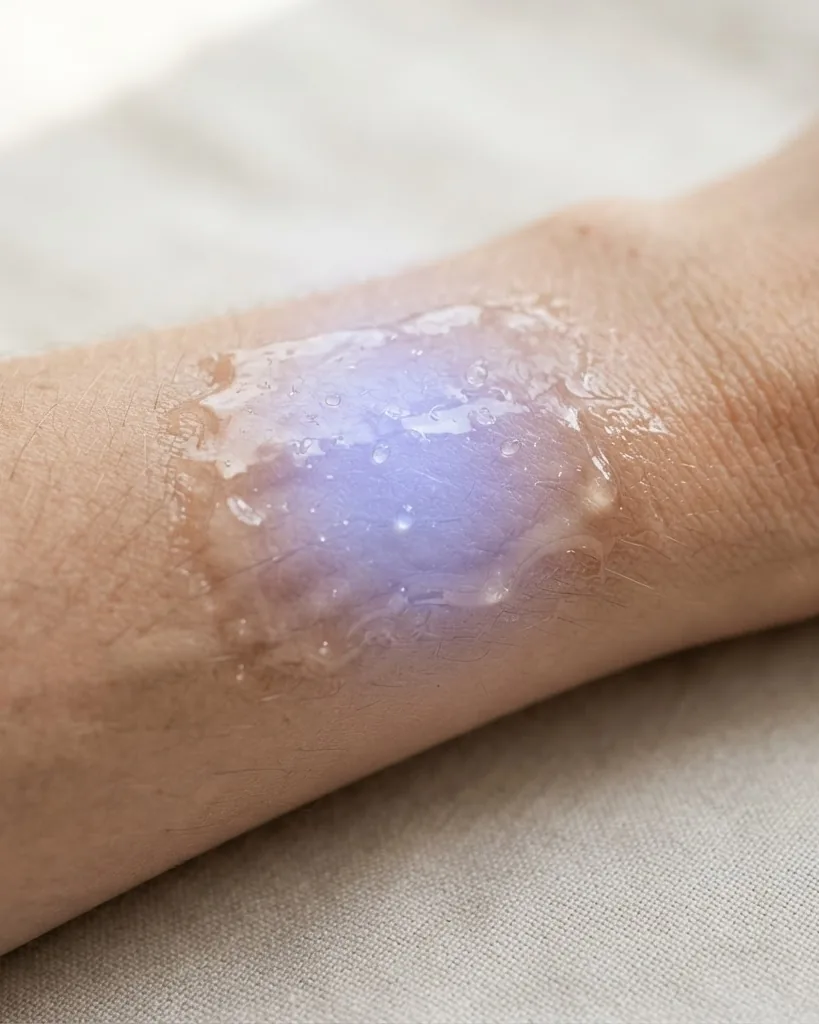
Lidocaine is a local anesthetic, the same drug family a dentist injects. Here is the mechanism, kept honest. Your nerve endings fire pain signals by letting sodium ions rush through tiny gates called voltage-gated sodium channels. Lidocaine binds those channels and blocks the sodium flow, so the nerve cannot complete the electrical spike that would become a pain signal. No spike, no message to your brain, no felt pain in that patch of skin. Cleveland Clinic and other medical references describe this sodium-channel blockade as the basis of every local anesthetic.
The catch is delivery. Injected lidocaine gets placed exactly where it is needed. A cream has to diffuse down through the skin barrier on its own, and it only saturates the layers it can penetrate in the time you give it. That is why occlusion, covering the cream, gets recommended so often, and why it works far better on thin, soft skin than on the dense, gristly tissue of an ear rim.
The cartilage problem nobody advertises
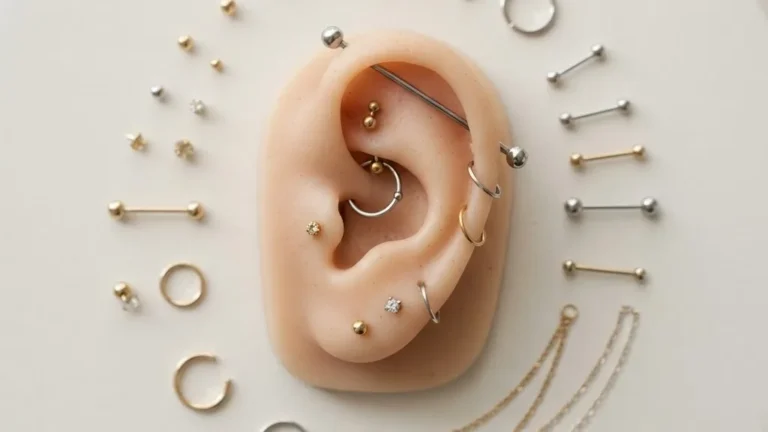
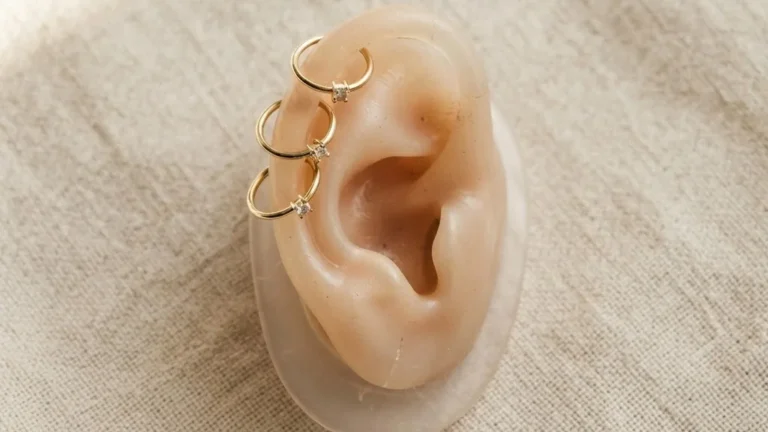
Cartilage is the sticking point, literally. Helix, tragus, conch, daith, and industrial piercings all pass through cartilage, and cartilage is dense, low in blood supply, and stubborn about absorbing anything from the surface. A cream sitting on the skin over your helix is not soaking meaningfully into the cartilage the needle will cross. You get numbing of the skin envelope and very little of the structure that generates the deep ache.
The gauge tells part of the story. Lobes are frequently pierced with 20 gauge or 18 gauge jewelry, while cartilage is often done at 16 gauge because the thicker post better supports that tough tissue. A thicker post through denser tissue is not a sensation surface cream is built to erase. The other half of the story is time. Cartilage heals slowly, commonly 3 to 12 months, with many placements needing at least 4 to 6 months and inner cartilage often 6 to 9 months, versus roughly 6 to 8 weeks for a lobe. If you want the full picture on that, read our guide to how long ear piercings take to heal. The point is that numbing the first second does nothing for the months that follow.
People sometimes ask whether a numbing cream at least helps them handle the change of jewelry later. It does not do much there either, and the bigger risk during that phase is going too early, which we cover in when it is safe to change a cartilage piercing.
Why numbing cream can wreck your placement
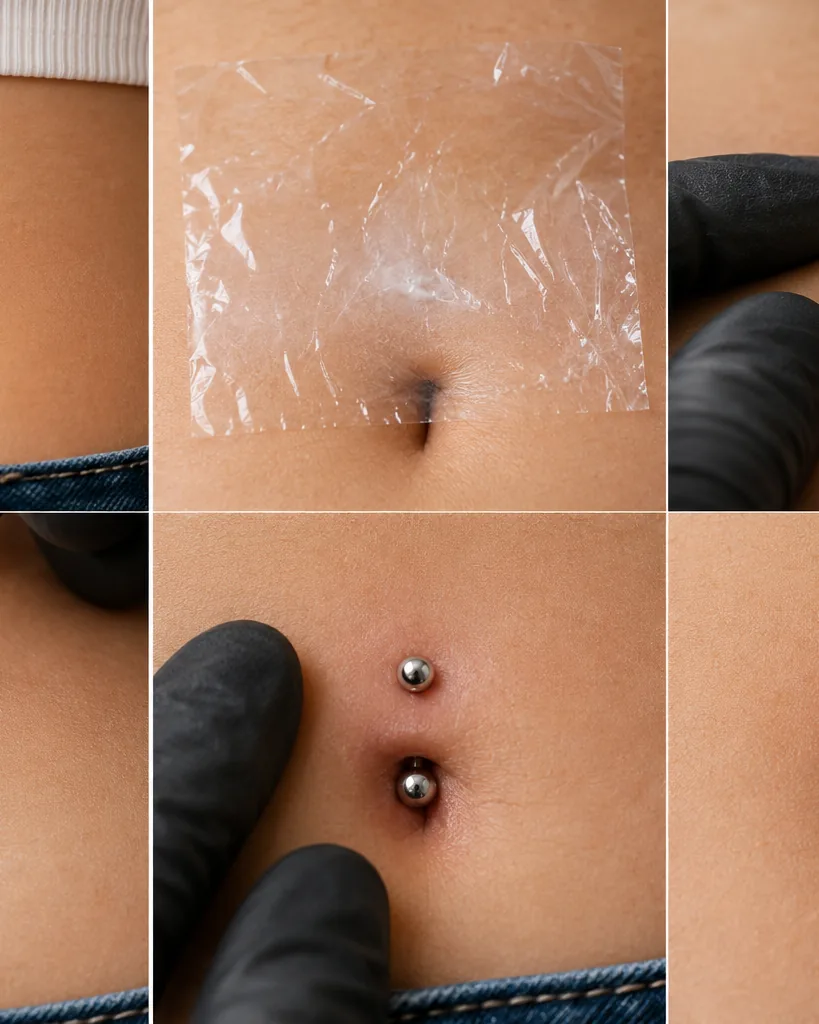
This is the part that makes experienced piercers grimace, and it has nothing to do with pain tolerance. A good piercing is about precise placement: the mark has to sit where it will look right and heal straight once everything settles. Numbing products change the tissue while they are active. Many cause localized swelling, and any product containing a vasoconstrictor tightens and blanches the skin. Your piercer marks and pierces the tissue as it sits under the cream, tightened and puffed. When the cream wears off hours later and the tissue relaxes back to normal, that carefully placed piercing can end up crooked or off-center.
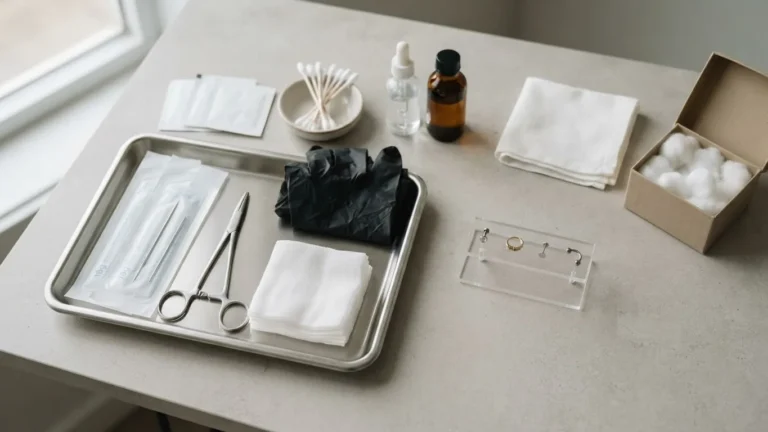
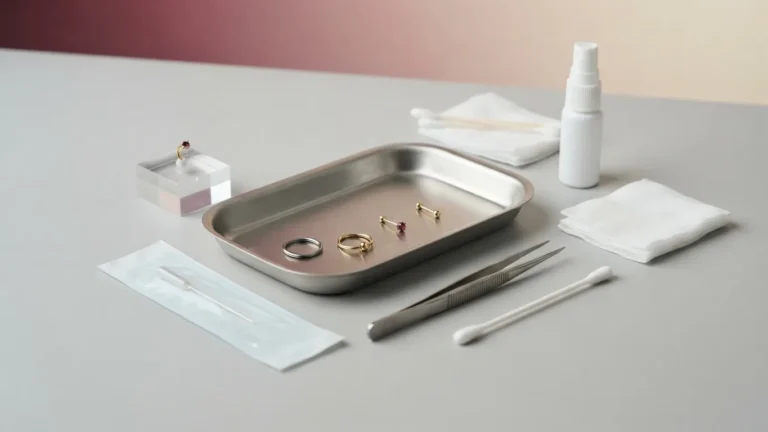
There is a cleanliness issue on top of that. Most numbing creams are not sterile and are not designed to touch an open wound. If any residue is still on the skin when the needle goes through, it can be dragged into the fresh channel, which is a recipe for irritation and slower healing. A fresh piercing is an open wound for weeks or months; you do not want a non-sterile cream introduced to it.
And there is the feedback problem. During placement, your reactions and the tissue’s behavior give the piercer information. Numbing part of that out removes a signal that occasionally matters. None of this is fearmongering; it is the practical reason a cream that helps you a little can cost you a lot on the finished result.
Why many piercers refuse numbing cream
Put those threads together and the refusals make sense. The Association of Professional Piercers, the main professional body in this space, notes that topical anesthetics can cause allergic reactions, localized edema, changes in skin texture, and increased difficulty in assessing the area as it will actually sit once the product wears off. That last point is the placement issue again, stated by the profession itself. Because of it, some piercers will decline to work until the numbing has worn off entirely, which can mean you sat around for an hour of onset only to wait it back out.
There is also a licensing reality. Piercers are not medical providers. They are not trained or licensed to apply, dose, or manage anesthetics, and a responsible one will not pretend otherwise. If a studio hands you a tube and tells you to load up, that is a small red flag about how they think about safety in general. The studios I respect talk you through the pinch, work quickly and cleanly, and let the brevity of a real piercing do the reassuring. If you are still choosing where to go, our breakdown of piercing guns versus needles is a better use of your worry than shopping for cream, because technique and tooling affect your experience far more.
Is numbing cream safe? What the FDA actually warns
This is the section to slow down on, because it is genuinely a health-and-safety topic and the marketing rarely tells you the whole thing. In 2024 the U.S. Food and Drug Administration issued a warning about over-the-counter topical pain relievers with high levels of lidocaine. The core guidance: avoid OTC products with more than 4 percent lidocaine. Higher concentrations increase how much drug your body absorbs, and that systemic absorption is where the danger lives.
What can go wrong at that point is not trivial. The FDA lists risks including arrhythmia, an irregular heartbeat, along with seizures, difficulty breathing, and serious skin injury. Those are the consequences of too much anesthetic reaching the bloodstream. This is exactly why the agency draws a line at that 4 percent OTC figure and warns against products that blow past it.
Here is the contradiction most sellers stay quiet about. Many creams tell you to slather a heavy layer and wrap it in plastic to boost absorption. FDA guidance says the opposite: do not apply heavily over large, broken, or irritated areas of skin, and do not wrap or cover treated skin, because occlusion increases the risk of serious adverse events. A piercing site is about to be broken skin, and the wrap-it-up instruction runs straight into the safety advice. That mismatch alone should make you cautious.
There is also methemoglobinemia, a rare but serious blood condition reported with local anesthetics, where blood cannot carry oxygen properly. Risk is higher in people with G6PD deficiency, certain heart or lung conditions, infants under 6 months, and when other oxidizing agents are involved. Products containing prilocaine (for example the prescription cream EMLA, which is 2.5 percent lidocaine plus 2.5 percent prilocaine, 25 mg of each per gram) and benzocaine carry particular attention here. None of this means one careful dab on a lobe will land you in an emergency room; it means this is a real drug with real ceilings, not a beauty product, and it deserves label-level respect. For general medical background on lidocaine and topical anesthetics, Mayo Clinic and Healthline both keep plain-language references, and the FDA posts its consumer safety notices directly.
If you still want to use it, do it responsibly
I am not going to pretend nobody should ever touch the stuff. Some people have real needle anxiety, and for a soft-tissue lobe a modest, careful use can take the edge off. If you go that route, do it by the rules, not by the internet.
Read the label and follow only what it says. Stay at or under the FDA’s 4 percent OTC ceiling and do not stack products or double up on strength. Never apply it to skin that is already broken, irritated, or an existing sore piercing, and never use it on a child or infant without a doctor directing you. Do a small patch test a day earlier to check for a reaction. Respect the timing: about 30 to 60 minutes ahead for onset, knowing the useful window is roughly an hour. And crucially, call your piercer first and ask if they even allow it, because if they do not, you have wasted the prep and possibly the appointment. If you have a genuine medical reason for numbing, the right move is to ask a doctor about a prescription option like EMLA rather than improvising with OTC cream and plastic wrap. That is the entire dosing conversation I will have, because anything more specific belongs with a clinician and the product label, not a blog.
Honest alternatives that tend to work better
Most of the time, the better plan is not cream at all. Start with the piercer. A skilled hand with a sharp, single-use needle works fast, and speed is the biggest comfort factor there is. A clean, reputable studio that talks you through the process will do more for your nerves than any tube. If you are early in the research, our overview of the different types of ear piercings helps you pick a placement that matches your pain tolerance in the first place, which is the smartest lever you have.
Then manage your own body. Eat a real meal beforehand so you are not lightheaded, hydrate, and do not show up hungover or running on no sleep, all of which make you more sensitive. In the chair, breathe slowly and exhale on the pass; controlled breathing genuinely blunts the perceived jolt. Bring a distraction if that helps you. These sound basic, but they move the needle more than a surface cream on cartilage ever will.
One thing I steer people away from is ice. It seems logical, but cold hardens and contracts the tissue in much the same way a vasoconstricting cream does, which can distort placement and make the piercer’s job harder. Same underlying problem, different temperature. And accept the honest scale of it: a single ear piercing is a sharp pinch measured in a fraction of a second, followed by a dull warmth. It is short. Building it up in your head is usually worse than the moment itself.
Comparing the common numbing options side by side
People usually land on one of five options once they start looking: standard 4 percent lidocaine cream, a stronger 5 percent version, the prescription combination cream EMLA, benzocaine, or plain cold. Here is how they actually stack up, based on the timing and cautions covered above.
| Option | Active ingredient | Apply before | Useful duration | Best for | Main caution |
|---|---|---|---|---|---|
| Lidocaine 4% OTC cream | Lidocaine 4% | 30 to 60 minutes | About 60 minutes | Soft-tissue lobes | FDA’s OTC ceiling; do not wrap or apply to broken skin |
| Lidocaine 5% cream | Lidocaine 5% | 25 to 45 minutes | Around 60 to 90 minutes | Lobes only, occasional use | Above FDA’s recommended OTC limit; higher absorption risk |
| EMLA (prescription) | Lidocaine 2.5% plus prilocaine 2.5% | 45 to 60 minutes, occluded | Up to 2 hours | Medical need, doctor-directed use | Prilocaine linked to methemoglobinemia in sensitive people; prescription only |
| Benzocaine cream | Benzocaine 5 to 20% | 15 to 30 minutes | About 30 to 45 minutes | Very brief, minor surface stings | Rare but serious methemoglobinemia risk, especially in infants |
| Cold pack or ice | None (temperature only) | 5 to 10 minutes | Only while applied | People who want to skip drugs entirely | Tightens and hardens tissue, which can distort placement much like a cream |
Warning: Do not apply any numbing product to skin that is broken, irritated, or an existing sore piercing, and always follow the label’s concentration and timing limits rather than a tip from a forum. Some piercers will decline to work on numbed skin altogether, so call ahead and ask before you buy or apply anything.
Frequently asked questions
Does numbing cream work on cartilage piercings?
Not well. Cartilage is dense and poorly reached by surface cream, so a topical lidocaine cream mostly numbs the skin over the cartilage rather than the cartilage the needle crosses. You may feel slightly less of the first pinch, but the deeper ache and the long healing, often 4 to 6 months or more, are unaffected. Lobes respond better than cartilage.
How long before a piercing should I apply numbing cream?
Most labels say about 30 to 60 minutes before, because standard over-the-counter lidocaine cream needs roughly 30 minutes to build up. A few faster formulas claim 5 to 25 minutes. The useful numbing window is short, often around 60 minutes and sometimes up to 2 hours, so timing it too early or too late both waste it. Always confirm your piercer permits it first.
Why won’t my piercer let me use numbing cream?
Because it can compromise the result. Numbing products can swell and tighten the skin, so a piercing placed on treated tissue may end up crooked once it wears off. The Association of Professional Piercers also notes allergic reactions, texture changes, and harder tissue assessment. The creams are not sterile, and piercers are not licensed to dose anesthetics, so many decline them outright.
Is numbing cream for piercings safe?
Used carefully at or under 4 percent it is generally low risk for a small area, but the FDA warns against over-the-counter lidocaine above 4 percent and against heavy or wrapped application, which can raise absorption and risks like irregular heartbeat, seizures, and methemoglobinemia. Never use it on broken skin, an existing sore piercing, or on children without a doctor. Read the label.
What is the strongest numbing cream I can buy for a piercing?
Some brands sell 5 percent lidocaine, but the FDA specifically advises consumers to avoid over-the-counter products above 4 percent because stronger is not safer. Higher concentration means more systemic absorption and more risk. Truly stronger options such as prescription EMLA, which pairs 2.5 percent lidocaine with 2.5 percent prilocaine, should only come through a doctor, not a self-purchase.
Does numbing cream slow down piercing healing?
It can. Most numbing creams are not sterile, and residue left on the skin can be pushed into the fresh channel by the needle, which invites irritation and delayed healing. On top of that, tissue swelling from the cream can distort placement, and a poorly placed piercing is more prone to migration and prolonged healing. Clean, cream-free skin is the safer starting point.
The bottom line
Numbing cream for piercings is not the magic switch the product pages imply. A topical lidocaine cream, kept at or under the FDA’s 4 percent over-the-counter ceiling and applied 30 to 60 minutes ahead, can soften the surface sting on a soft lobe. It does little for cartilage, it can shift and swell the tissue enough to spoil placement, it is not sterile, and it carries real drug cautions the marketing tends to bury. That combination is why so many piercers say no.
My advice after all these years is simple. Pick a skilled piercer and a clean studio, choose a placement that fits your tolerance, eat, breathe, and let the fact that a piercing is a one-second pinch carry you through. If you have a genuine medical reason to numb, take that to a doctor and the product label, not to a plastic-wrapped guess. That is the piercing that heals straight and looks right, which is the whole point.