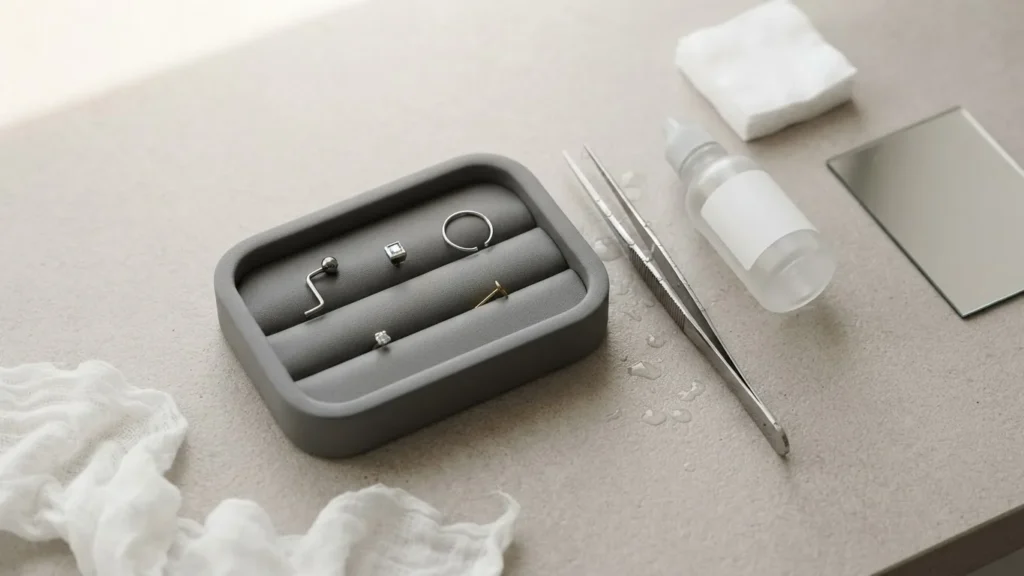
Drafted with AI language models. How this page was made
A nose stud that smells but looks calm is almost always harmless buildup, not an infection. The odor comes from sebum (natural skin oil), shed skin cells, and the bacteria that process them inside the piercing channel: the same mix that produces “piercing funk.” Smell on its own rarely signals infection; the warning cluster is pain, thick colored discharge, heat, red streaking, or fever. So why does my nose stud smell even when it is healed? Because the channel keeps secreting, and a healed piercing still needs maintenance cleaning two to three times per week to keep that buildup below the odor threshold.
Quick answer: The smell is organic buildup (oil, dead skin, and bacteria) trapped against the jewelry. It is fixable in about 10 minutes by cleaning the jewelry and the area with sterile saline, whose label should list 0.9% sodium chloride as the only ingredient. Do not yank the stud out to “air it,” and do not scrub with harsh products. Treat odor as a hygiene matter unless it comes with heat, pus, spreading redness, or fever: those point to infection and need a clinician, not a piercer.
Common Causes of a Smelly Nose Piercing

The nostril sits in oil-rich tissue with active sebaceous glands and enclosed airflow, so it collects more buildup than a septum. The mechanism is consistent across piercing sources: sebum mixes with dead skin and bacteria, and the byproduct carries that cheesy or musty note. Several factors decide how fast it reaches a level you can smell.
- Dropped maintenance. Even a fully healed channel keeps producing lymph and oil. Without cleaning two to three times per week, the residue accumulates against the jewelry.
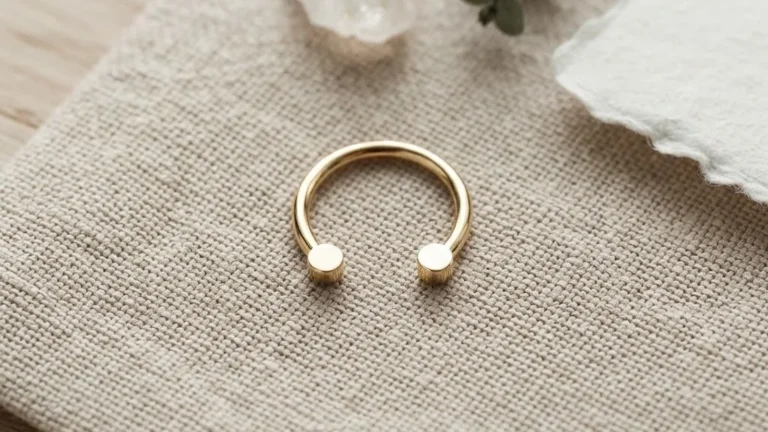
- Jewelry style. A ring moves with every touch and drags sebum through the channel, while a flat-back stud sits still and traps less. Nostril placement smells more than septum for the reasons above.
- Jewelry finish. Porous or textured metal, threading grooves, and decorative beads give sebum somewhere to lodge. Florida’s body-piercing rule requires salons to use jewelry “free of nicks, scratches, or irregular surfaces for new piercings” for exactly this kind of reason. Florida Department of Health
- Metal reaction. Nickel can trigger allergic contact dermatitis, which inflames tissue and worsens discharge. The Mayo Clinic documents nickel sensitivity confirmed by a patch test left on the skin for 48 hours. Mayo Clinic
- Trapped moisture. Sweat plus skin bacteria produces odor on its own, a mechanism described by MedlinePlus for body odor generally. MedlinePlus
Two causes get blurred together elsewhere, and separating them changes what you do. A porous or grooved surface is a physical trap: you fix it by switching to smoother, implant-grade metal. A nickel reaction is an immune event: you fix it by removing the allergen entirely. Mayo Clinic lists safer options including “nickel-free stainless steel, surgical-grade stainless steel, titanium, 18-, 22- or 24-karat yellow gold, nickel-free white gold, or sterling silver.” For ongoing wear, Pierced Addiction names implant-grade titanium (ASTM F136), implant-grade steel (ASTM F138), and solid 14k or 18k gold as the three materials piercers recommend. Pierced Addiction
Is the smell infection or just funk? This is the decision most readers actually need, so here is a comparison built from several sources at once.
Synthesis table, normal buildup versus infection, compiled from APP, NHS, and CDC-published data:
| Signal | Normal buildup | Possible infection |
|---|---|---|
| Smell alone | Common; rarely a reliable infection sign | Foul or rotten smell that does not improve within 48 hours of better cleaning |
| Discharge | Pale whitish-yellow crust (lymph) | Thick colored discharge / pus |
| Skin | Settled, normal temperature | Hot skin, red streaking, marked swelling |
| Whole body | No systemic symptoms | Fever alongside piercing symptoms |
| Typical timing | Ongoing, any time | Infections tend to occur 2 to 4 weeks after the procedure, on average |
The timing and rate figures come from the CDC’s Emerging Infectious Diseases journal, which reports that localized infections occur at 10% to 30% of new piercing sites: a figure for new piercings generally, not nostril studs specifically. CDC Emerging Infectious Diseases The NHS describes the normal-healing picture and the infected one for comparison. NHS For the wider subject, see our nose septum section.
🔍 What Causes a Nose Ring to Smell?

Three things, working together: sebum, dead skin, and bacteria sitting in the piercing channel. A ring compounds this because it rotates and slides with contact, dragging oil back and forth through the hole rather than letting it clear. A flat-back stud stays put and gives bacteria less to feed on.
The channel also matters more than the surface suggests. UC Berkeley University Health Services notes that nose healing depends on the location of the piercing, while APP puts tougher tissue such as nostrils at six months or longer. UC Berkeley University Health Services During that window, ongoing lymph and oil are expected, so odor is not a sign something went wrong: it is a sign the channel is still working and the jewelry needs regular cleaning.
✅ How to Get Rid of Nose Piercing Smell

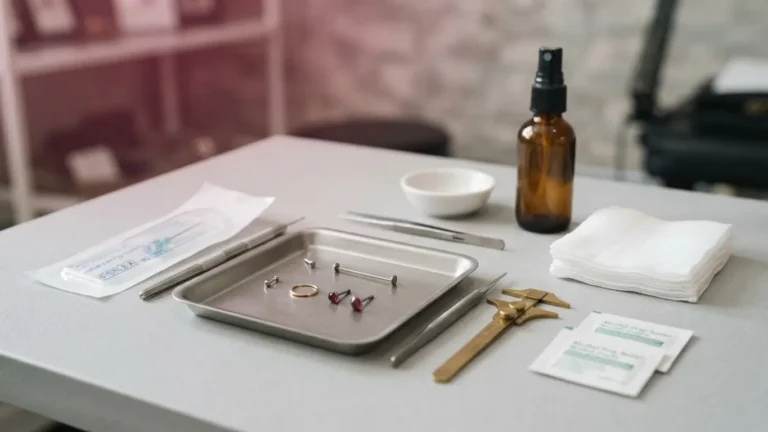
For a fully healed piercing with no infection signs, the buildup clears in about 10 minutes.
- Soak the jewelry (once removed, only if healed) in warm soapy water using a mild or fragrance-free soap.
- Lift residue from grooves and beads with a soft toothbrush or cotton swab.
- Rinse the area with sterile saline listing 0.9% sodium chloride as the only ingredient.
- Reinsert promptly, if it will not seat within about 5 minutes, the channel may be tightening, so see a piercer rather than forcing it.
APP advises you spray with sterile saline and adds that moving or rotating jewelry “is not necessary during cleaning/rinsing and may actually irritate the piercing.” Association of Professional Piercers
🚫 What NOT to Do
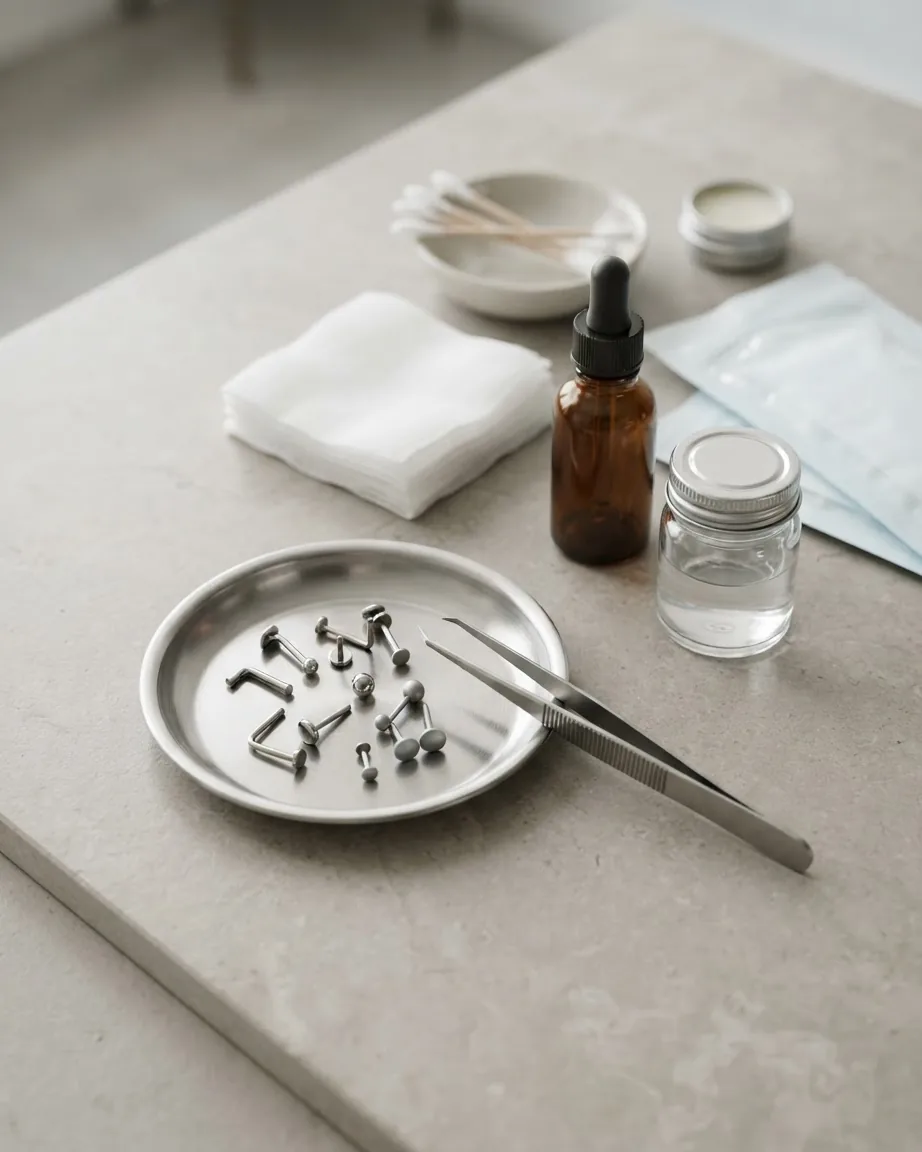
- Do not remove the stud of a non-healed piercing to “air it”: this can trap bacteria inside the channel.
- Do not over-clean; stripping the skin can increase discharge and odor.
- Avoid alcohol, hydrogen peroxide, antibacterial soaps, and iodine, which damage cells.
🛡️ Tips to Prevent Nose Ring Odor
- Clean a healed piercing two to three times per week.
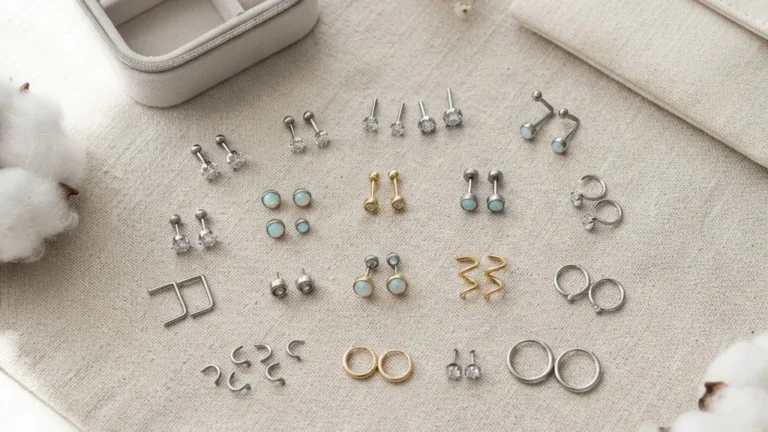
- Wear smooth, non-porous metal: titanium, 316L surgical steel, or 14K/18K gold.
- Clean jewelry you change often every 1 to 2 weeks; monthly if rarely touched.
Reach for sterile saline wound wash and a smooth implant-grade stud; skip anything with added antiseptics or fragrance.
Why Does My Nose Piercing Smell After 2 Years
Late-onset odor after a long quiet stretch usually traces to one of two changes rather than a new problem in the tissue. The first is a dropped routine: a healed piercing still needs maintenance cleaning two to three times per week, and once that lapses, sebum and dead cells climb back to an odor-producing level. The second is a jewelry swap. Trading a plain flat-back stud for a heavier, more decorative ring adds surface area, threading grooves, and movement, all of which trap and drag more oil through the channel.
For example, if you wore a titanium stud for two years, then switched to an ornate ring for a photo and never switched back, the new smell is mechanical, not medical. Return to a smooth stud and resume the twice-weekly clean before assuming anything is wrong. Escalate only if the foul smell fails to improve within 48 hours of better cleaning, or if heat, pus, or red streaking appear.
Why Does My Nose Ring Smell Like Cheese
The “cheese” note is the signature of sebum being processed by bacteria. Oil and shed skin cells collect against the metal, bacteria metabolize them, and the byproducts carry that sharp, dairy-like odor: the same process behind “ear cheese.” Vital Piercing frames the reassuring part plainly: “The good news: ear cheese is fixable in about 10 minutes.” Vital Piercing
One caution: a specific odor quality is not a reliable diagnostic. A cheesy smell does not confirm “just buildup,” and it does not rule out infection either. Judge by the symptom cluster (pus, heat, spreading redness, fever) not by how the smell reads to you. For example, if the cheese smell comes with thick yellow-green discharge and a hot, swollen nostril, that is no longer a hygiene question.
Why Do Nose Rings Smell
Every nose ring sits against skin that produces oil and sheds cells continuously, and the warm, partly enclosed channel is a place bacteria settle. That combination makes some odor normal across healed piercings, not a defect in yours. Rings specifically smell more than studs because they move, and nostrils smell more than septums because the tissue is oilier and airflow is more enclosed.
Two aftercare authorities genuinely disagree on handling, and you should know which you are following. APP says rotating jewelry during cleaning is unnecessary and may irritate the piercing, while the NHS advises you “clean your piercing twice a day use warm, salty water to soften any crusting gently turn the jewellery while cleaning.” NHS This is a real institutional split, not an error: APP’s no-rotate guidance is the more conservative for a settled, healed piercing. A second disagreement concerns removal to clean: for a fully healed piercing with no infection signs, taking the jewelry out to wash it is reasonable; for a non-healed piercing, Oufer Body Jewelry and Pierced Addiction warn that removal can trap bacteria, so leave it in and consult a piercer if you suspect infection.
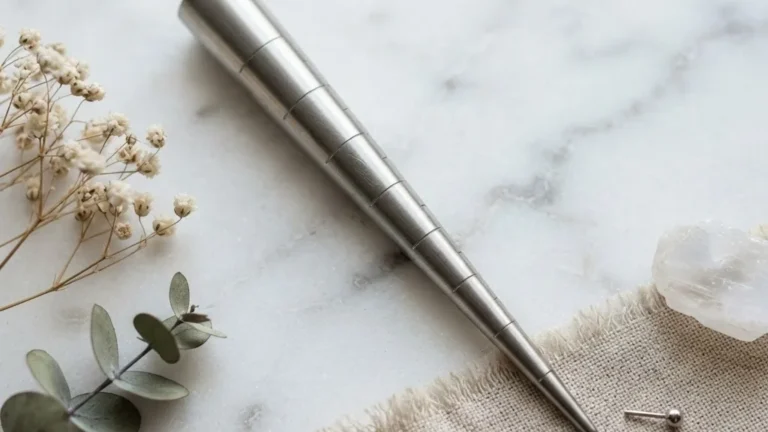
There is also a reason to prefer a reliably sterile product over a homemade mix beyond simple convenience. A CDC-published investigation traced an outbreak to a contaminated aftercare batch: ten confirmed case-patients used the same brand and batch, and P. aeruginosa was isolated from the bottles. That shifts the lesson from “more product is safer” to “use a product you trust to be sterile.” CDC Emerging Infectious Diseases For sizing jewelry that fits without trapping, a standard 16G piece covers most septum work; see also our gauge to pierce nose guide and our nose piercing to heal timeline.
Warning Signs and Who to See
Odor is a hygiene matter; the signs below are not. Match each to its action and the right professional: a piercer or shop can advise on jewelry and technique, but anything that may be an infection or an allergic reaction needs a clinician.
- Foul or rotten smell that does not improve within 48 hours of better cleaning → step up to sterile saline; if no change, see a clinician.
- Thick colored discharge or pus, hot skin, marked swelling → stop self-treating and see a doctor; these are infection signs, not funk.
- Red streaking spreading from the site, or fever → seek prompt medical care; systemic signs are the escalation threshold.
- Itching, persistent redness, or spreading rash around the metal → suspect a nickel reaction and see a clinician; switch to an implant-grade material after assessment.
- Jewelry that will not seat within 5 minutes → see a piercer; do not force it.
Allergen warning
This content is general information compiled from published piercing and clinical standards, not a diagnosis or a treatment plan. If you are unsure, a clinician should assess anything that may be an infection or an allergy.
Frequently Asked Questions
why does my nose stud smell like cheese
Bacteria metabolize the oil and skin cells caught against the stud, and the byproducts produce that dairy-like note. It is the same process behind “ear cheese.” The smell itself does not confirm infection: look instead for pus, heat, or fever before worrying.
why does my septum piercing smell
A septum collects the oil-and-bacteria mix like any piercing, though usually less than a nostril because the tissue is less oil-rich. A standard 16G fit that is neither too tight nor too rough lets secretions clear; smooth implant-grade metal keeps residue from lodging in grooves.
why does my belly button piercing smell
The navel is a deep, warm fold that holds sweat and shed skin, so bacteria build up readily. Clean a healed site a few times weekly with sterile saline. If it turns red, hot, or starts discharging pus, treat it as a possible infection and see a clinician rather than cleaning harder.
why does my nose piercing smell like fish
A fishy note still points to bacterial buildup rather than a distinct cause, and odor quality is not a reliable diagnostic. Judge by other symptoms. If the smell is foul and does not ease within 48 hours of better cleaning, or discharge and heat appear, have a clinician look.
is it normal for a septum piercing to smell
Some odor is common and expected, not a defect. During healing (which APP puts at six months or longer for tougher tissue) ongoing lymph and oil are normal. Keep up maintenance cleaning two to three times weekly and reserve concern for pus, heat, or fever.
how long to clean nose piercing
Cleaning a healed piece takes around 10 minutes: soak, lift residue from grooves, rinse with 0.9% saline, and reinsert. Do it two to three times weekly for a healed piercing, and every 1 to 2 weeks for jewelry you change often.