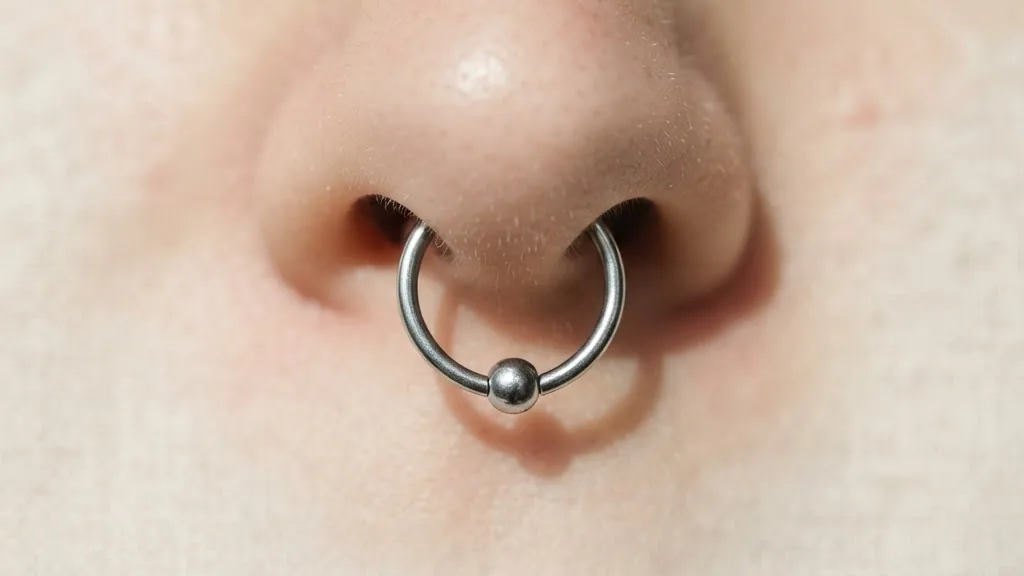
How long does a septum piercing take to heal? The honest answer is two timelines, not one. Initial healing usually takes about 2 to 3 months, when the soreness and swelling settle and the piercing feels stable. Full healing, when the tunnel through the tissue is truly tough and mature, takes longer, roughly 6 to 8 months and sometimes close to a year. A septum often heals faster than thicker cartilage piercings, but only if it is cared for the whole way through.
This guide breaks the process into clear stages, shows you what is normal at each step, and flags the warning signs that mean it is time to call a professional or a doctor. The advice here follows aftercare standards from the Association of Professional Piercers and medically reviewed sources, so you can heal with confidence instead of guesswork.
The short answer
A septum piercing has two healing milestones worth knowing.
- Initial healing: about 2 to 3 months. The acute swelling, tenderness, and discharge of the first weeks have faded, and day-to-day life no longer bothers the piercing.
- Full maturation: about 6 to 8 months, sometimes up to a year. The channel that the jewelry sits in, called the fistula, has fully formed and toughened.
The key thing to understand is that “feeling healed” and “being healed” are not the same. A septum can feel fine at the 8-week mark and still be fragile inside. That gap is where most problems start, because people change jewelry or stop cleaning too soon.
Septum healing timeline, stage by stage
Healing moves through three overlapping biological stages. Here is what to expect and when.
| Stage | Timeframe | What you notice |
|---|---|---|
| Inflammatory | Days 1 to 7, up to weeks 1 to 3 | Swelling, tenderness, warmth, and clear or whitish discharge. The most intense discomfort calms within the first one to three weeks. |
| Proliferative (active healing) | Weeks 2 to 6 | Swelling subsides, crusting eases, and the tissue tunnel begins to form. The area feels calmer but is still working hard underneath. |
| Maturation | Months 2 to 12 | The channel strengthens and toughens. It looks healed but is still settling. Keep up gentle care. |
Think of it like a healing scrape that happens to be inside a tunnel. The surface closes first, but the deeper repair takes months. The stages blur into each other, so do not panic if your timeline runs a week or two off the chart. Bodies vary.
Why the septum heals faster than cartilage
A correctly placed septum piercing does not actually go through the hard cartilage wall. A skilled piercer aims for the soft, fleshy gap just below the cartilage, often called the sweet spot or columella. Soft tissue carries a better blood supply than dense cartilage, and good blood flow is what fuels healing.
That is why a septum often settles faster than a helix or an industrial piercing, which can take 6 to 12 months or longer because they pass through thick cartilage with poor circulation. If a septum is placed too high and clips cartilage, it tends to hurt more and heal more slowly. Placement is one reason healing times vary so much from person to person.
What speeds up or slows down healing
Two septum piercings done on the same day can heal at different rates. These are the factors that move the needle.
Things that help you heal faster:
- Clean, accurate placement in the soft spot.
- Implant-grade jewelry, such as ASTM F-136 titanium, which is biocompatible and low-irritation.
- Consistent, gentle saline care.
- Leaving the jewelry alone and keeping the area dry and clean.
- General good health, hydration, and sleep.
Things that slow you down:
- Twisting, flipping, or playing with the jewelry.
- Changing jewelry too early, before the channel has formed.
- Harsh products like alcohol or hydrogen peroxide.
- Cheap, reactive metals that irritate the tissue.
- Smoking, which reduces blood flow and is a known drag on wound healing.
- Submerging the piercing in pools, lakes, or hot tubs while it heals.
The first 48 hours: what to expect
The first day or two set the tone, and knowing what is normal keeps you from worrying. Right after the piercing, expect tenderness, a little swelling inside the nose, and a feeling of pressure. The nose is sensitive, so a watery eye or a sneeze or two during the piercing itself is common and harmless.
For the first 48 hours, leave it completely alone except for gentle saline cleaning. Do not check it in the mirror every hour, and resist the urge to flip or touch the jewelry. Light throbbing that fades is normal. Some people notice a faint metallic or coppery taste at the back of the nose in the early days, which simply comes from the new jewelry and settles quickly. What you should not see is heavy bleeding, which is rare and worth a call to your piercer if it happens.
Sleep can be the trickiest part early on, since pressure on the nose is uncomfortable. Most people find a septum far easier to sleep with than a nostril or ear piercing, because the jewelry sits centered and tucked, but you may still want to sleep on your back for the first week.
Swelling and jewelry: why downsizing matters
Your piercer usually starts you with slightly longer jewelry to leave room for the swelling of the first weeks. That extra length is helpful at first, but once the swelling goes down, jewelry that is too long can move around, snag, and irritate the healing channel.
This is why a follow-up visit to downsize the jewelry is worth booking, often somewhere around the 4 to 6 week mark once initial swelling has settled. A shorter, better-fitted piece sits more snugly and tends to heal more comfortably. Your piercer will judge the timing based on how your swelling has progressed, so treat the window as a guide rather than a hard rule. Downsizing is a quick, low-stress appointment, and it can make the back half of healing noticeably smoother.
How to care for a healing septum piercing
Aftercare for a septum is refreshingly simple. The goal is to keep it clean and then leave it alone. The Association of Professional Piercers recommends a sterile saline routine, and the steps below follow that standard.
- Wash your hands with soap before you touch the area, every time.
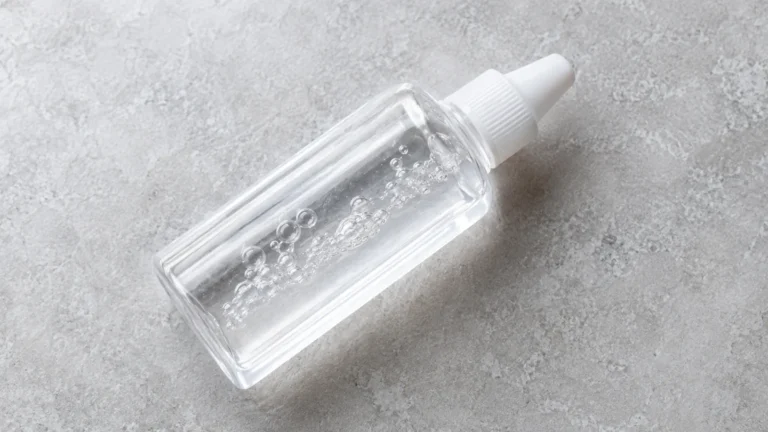
- Use sterile saline made of 0.9% sodium chloride, the same gentle isotonic concentration used for wound care. A piercing-aftercare spray or a plain saline wound wash works well.
- Clean twice a day. Spray or apply saline, let it soften any crust, and gently wipe away debris with clean gauze or a cotton pad. Keep this up for at least 4 to 8 weeks.
- Pat dry with a disposable paper product. Cloth towels harbor bacteria and can snag jewelry.
- Do not rotate the jewelry. The old advice to twist it is outdated and damages new tissue.
Skip the harsh stuff. Alcohol, hydrogen peroxide, and strong antiseptics are too aggressive and can kill the new cells you are trying to grow, which slows everything down. Over-cleaning is also a mistake. Twice a day is plenty. For a deeper look at the right solution, see our guide to sterile saline solution for a nose piercing, and you can browse more in the aftercare and healing guides.
Normal healing vs infection
Early on, some redness and tenderness are expected, and people often mistake normal healing for a problem. This table helps you tell the difference.
| Normal healing | Possible infection |
|---|---|
| Mild redness around the site | Spreading redness and heat |
| Tenderness that eases over weeks | Severe or increasing pain |
| Clear or whitish crust | Thick yellow or green, foul-smelling pus |
| Slight swelling early on | Swelling that worsens after the first weeks |
| No fever | Fever or feeling generally unwell |
A small amount of clear or pale crust is just dried lymph, a normal part of healing. The warning signs are the ones that get worse instead of better, especially thick colored pus, spreading heat, and fever. If you see those, do not remove the jewelry yourself, because that can trap the infection inside. Contact your piercer or a doctor instead.
When can you change the jewelry?
This is where patience pays off. The jewelry your piercer started you with should stay in until the piercing is healed enough to hold the channel open during a change. For a septum, the earliest reasonable point is usually around 8 to 12 weeks, and only if healing has gone smoothly.
Even then, the safest first change is done by a professional, who can swap the jewelry quickly with a clean technique and a taper if needed. Changing too early is one of the most common reasons a septum gets irritated, develops a bump, or partly closes. If you are unsure, wait, or ask your piercer to check it. There is no prize for rushing.
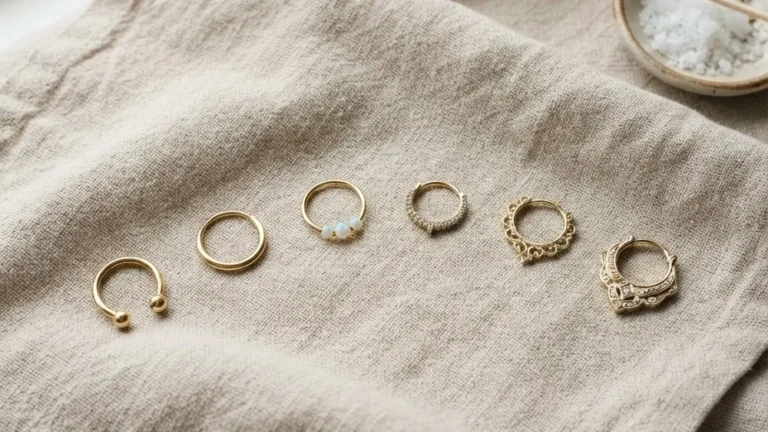
One nice feature of a septum is that you can hide it while it heals. A plain horseshoe ring can be flipped up inside the nose, which is handy for work or school, though you should still avoid moving it more than necessary.
Septum bumps and other bumps in the road
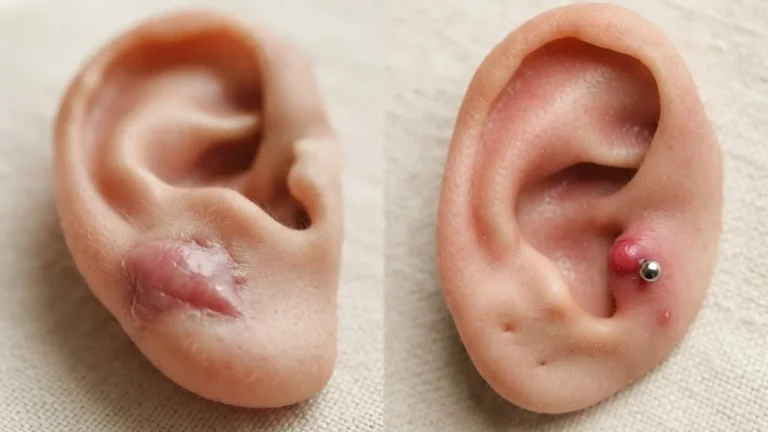
Not every problem is an infection. A small bump near a healing septum is often irritation, sometimes from a knock, cheap jewelry, or too much fiddling. Irritation bumps usually calm down once you remove the cause and stay consistent with saline.
If a bump grows, hardens, or lingers for months, it could be scar tissue rather than simple irritation, and that is worth having a professional or dermatologist look at. The point is not to self-diagnose every lump, but to watch how it behaves. Things that shrink with good care are usually minor. Things that keep growing deserve a closer look.
If you are still choosing placement or jewelry, our overview of nose piercings for different nose types can help you start the process on the right foot, which itself shortens healing headaches later.
Living your life while it heals
A healing septum does not have to put your routine on hold, but a few habits make a real difference over those months.
- Glasses and sunglasses are no problem at all, since a septum sits well away from where frames rest. This is one area where septum healers have it easier than nostril piercings.
- Sports and exercise are generally fine. Just avoid contact sports or anything where the nose could take a hit, and clean off sweat with saline afterward.
- Swimming is the big one to avoid. Pools, lakes, hot tubs, and the ocean all expose a fresh piercing to bacteria. Wait until it is well healed, and if you must swim, a waterproof barrier and a thorough saline rinse afterward help.
- Illness and allergies can complicate things. A runny nose and constant wiping irritate a healing septum, so be gentle and dab rather than rub during a cold or allergy season.
- Makeup and skincare should be kept away from the piercing while it heals, since many products are not meant to enter the wound.
The theme through all of this is gentle consistency. You are not babying it forever, just guiding it through a few months until the channel is strong.
Saline spray vs sea salt soak
Both methods aim for the same thing: a gentle salt rinse close to the salinity of your own body. A ready-made sterile saline spray labeled as 0.9% sodium chloride is the easiest and most consistent option, and it is hard to get wrong.
A homemade sea salt soak can also work if mixed correctly, using non-iodized sea salt at the right dilution, but it is easy to make it too strong, which dries and irritates the tissue. If you go the homemade route, weaker is safer than stronger. For a septum specifically, many people find that holding a small cup of warm saline up to the nose, or using a saturated cotton pad, reaches the spot better than a quick spray. Whichever you choose, the rule is the same: gentle, clean, and twice a day, no harsh additives.
When to see a professional or doctor
Most septum piercings heal without drama. Still, it helps to know your two go-to experts and when to use them.
See your piercer for jewelry that feels too tight from swelling, for your first jewelry change, for irritation bumps, and for any general “is this normal” question. A reputable studio expects these visits.
See a doctor for signs of true infection: spreading redness and warmth, severe pain, thick yellow or green pus, or a fever. According to general medical guidance from sources like the Mayo Clinic, an infected piercing can usually be treated easily when caught early, so do not wait it out. Trusted health references such as Healthline, the Mayo Clinic, and the Association of Professional Piercers all stress the same core idea: gentle, consistent care and prompt attention to real warning signs.
FAQ
How long does a septum piercing take to heal completely?
Surface or initial healing takes about 2 to 3 months, but complete healing of the inner channel takes roughly 6 to 8 months and can stretch to a year. It often feels healed long before it truly is.
Is a septum piercing one of the faster piercings to heal?
Yes, when placed correctly in the soft sweet spot. Soft tissue has better blood flow than cartilage, so a septum usually heals faster than a helix or other cartilage piercings, which can take 6 to 12 months or more.
How often should I clean my septum piercing?
Clean it twice a day with sterile 0.9% saline for at least the first 4 to 8 weeks. Avoid alcohol and hydrogen peroxide, and do not over-clean, since that can irritate the tissue.
When can I change my septum jewelry?
Wait until the piercing is healed enough to stay open during a change, usually no earlier than 8 to 12 weeks, and only if healing went well. The safest first change is done by a professional.
Why does my septum piercing smell?
A mild odor, sometimes called the “ber” smell, comes from natural skin oils and dead cells building up around the jewelry. Regular saline cleaning keeps it in check. A foul, strong smell with colored pus, though, can signal infection.
Can I hide my septum piercing while it heals?
Yes. A horseshoe-style ring can be flipped up inside the nostrils to conceal it. Just handle it as little as possible, since extra movement slows healing.
Does a septum piercing hurt more than a nostril piercing?
For most people the sharp pinch is brief, and the soft sweet spot is less painful than piercing cartilage. The eyes often water as a reflex, which surprises people, but the actual pain is usually short-lived and quickly fades to a dull ache.
Why is my septum piercing not healed at 3 months?
That can be completely normal. Three months is around the initial healing point, not full maturation, which takes 6 to 8 months. If it is calm and comfortable, it is likely on track. If it is painful, growing a bump, or producing colored pus, have a piercer or doctor check it.
The bottom line
A septum piercing usually reaches initial healing in about 2 to 3 months and full, mature healing in roughly 6 to 8 months. It tends to heal faster than cartilage piercings because the jewelry sits in soft tissue with good blood flow, but the timeline still depends on placement, jewelry quality, and steady aftercare. Clean twice a day with sterile saline, leave the jewelry alone, wait until at least 8 to 12 weeks before any change, and watch for the warning signs that separate normal healing from infection. Treat the long maturation phase with respect, and your septum should settle into a comfortable, healthy piercing.