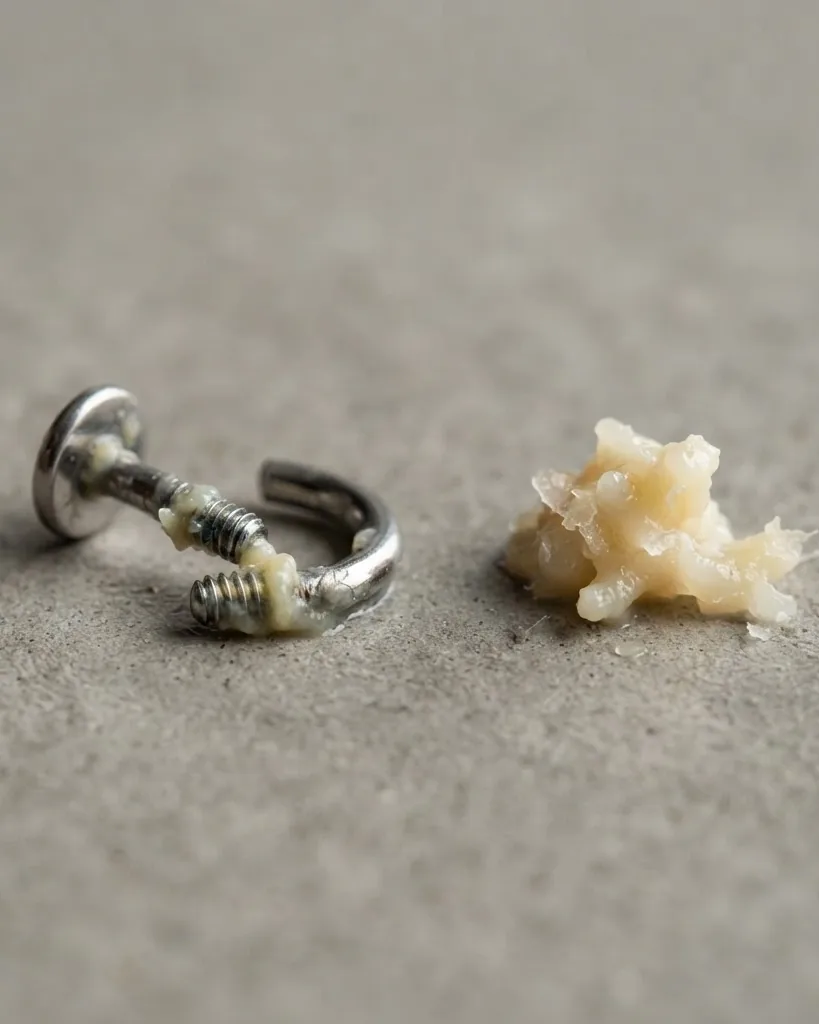
Why does my nose piercing smell, and should you be worried? Most of the time, no. That sour, cheesy odor is usually a harmless mix of sebum (the oil your skin makes), dead skin cells, sweat, and everyday skin bacteria that collect against the jewelry. As the sebum sits and oxidizes, it starts to stink. This is nicknamed “piercing funk,” and it is not the same thing as an infection. A bad odor on its own rarely means something is wrong, though it does tell you the area needs a better cleaning habit.
The short version of what you are smelling
I have handled a lot of jewelry over the years, and the smell people describe is remarkably consistent: a tangy, cheese-like whiff that shows up when you take the ring out or press near the hole. What you are smelling is a paste of oil, shed skin, and bacteria that has been trapped in a warm, low-airflow pocket. Skin cells and sebum build up on the inside of the piercing channel and on the back of the jewelry, then bacteria feed on that buildup and release the odor you notice.
The key thing to hold onto is that odor and infection are two different signals. The Mayo Clinic lists increasing pain, redness, swelling, and pus as the warning signs of a piercing infection that needs medical care. Odor is about buildup and cleaning. Infection is about your body fighting germs, and it comes with pain, heat, and pus. Plenty of perfectly healthy piercings smell a little if they go a day or two without a rinse. So before you panic or yank the jewelry out, look at the whole picture rather than the smell by itself.
Sebum, dead skin, and bacteria: the real culprits
Your skin sheds cells constantly and secretes sebum to stay soft. Around a piercing, both have nowhere to go. The jewelry sits snug in a narrow channel, so the oil and dead cells pack against the metal instead of washing away. Add sweat, makeup, hair product, and the natural bacteria that live on everyone’s skin, and you get a slow-building deposit. When that deposit dries, it forms the crusties you scrape off in the morning. When it stays damp, it ferments a little and smells.
Oxidation is the part most people miss. Fresh sebum barely smells, but once it is trapped against metal and exposed to air and warmth, the fats in it break down. That chemical change is what turns a neutral oil into a sharp, funky odor. It is the same basic reason a scalp can smell by the end of a long day. Your nose piercing simply concentrates that process in one tiny, hard-to-reach spot that you cannot wipe with a towel.
Location makes it worse. The nostril folds over the piercing, airflow is poor, and the inside of the nose is already moist. That is a comfortable home for bacteria. None of this means you are dirty or careless. It means the geometry of a nose piercing invites buildup, so it needs a deliberate rinse rather than the passing contact with soap and water that the rest of your face gets in the shower.
Is it infection, or just piercing funk?
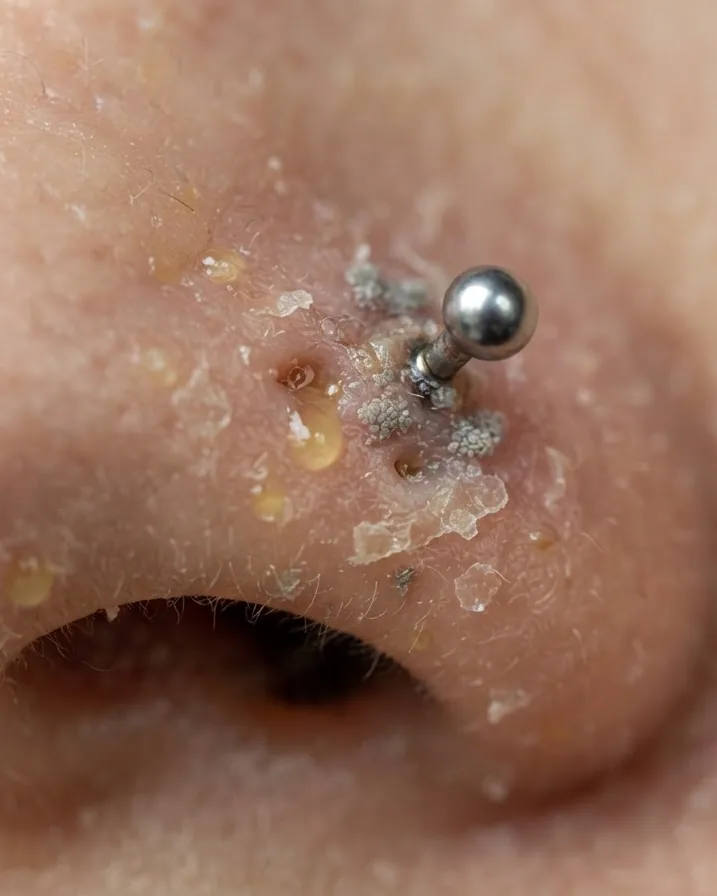
This is the question that matters, so slow down here. A smell by itself, with normal-looking skin, is almost always plain buildup. Early healing also looks a little rough and that is fine. In the first 3 to 5 days after a new piercing, some redness, light swelling, and tenderness are expected, and that usually calms down over about 2 weeks. Mild clear or pale crust during healing is normal too. None of that is an emergency, and none of it means you should remove the jewelry.
Infection is different because it stacks several signs together. According to Healthline, warning signs include spreading redness, skin that feels hot, swelling that gets worse instead of better, throbbing pain, and green or dark yellow pus, sometimes with a foul smell. A fever, chills, or red streaks moving away from the site are reasons to stop self-treating and get medical help. If you see that combination, call a doctor rather than a piercer, because it needs proper assessment.
Here is the mental checklist I use. Odor plus soft, normal-colored skin equals buildup, so clean it. Odor plus growing redness, heat, thick colored pus, real pain, or fever equals possible infection, so get it looked at. When you are unsure, it is fine to book a quick visit. Healthline is a solid plain-language reference for what infected skin looks like, and it is worth a read the first time you are worried so you know what you are comparing against.
Your jewelry material changes the odor more than you think
Two people can clean the exact same way and get different results because the metal in their nose is different. Cheap jewelry, mystery alloys, and pieces that contain nickel tend to have a rougher, more porous surface. That texture grabs oil and skin cells, holds odor, and can irritate sensitive skin, which then produces more discharge for bacteria to feed on. Nickel is also one of the most common contact allergens, so a nickel piece can keep an area inflamed even when your cleaning is spotless.
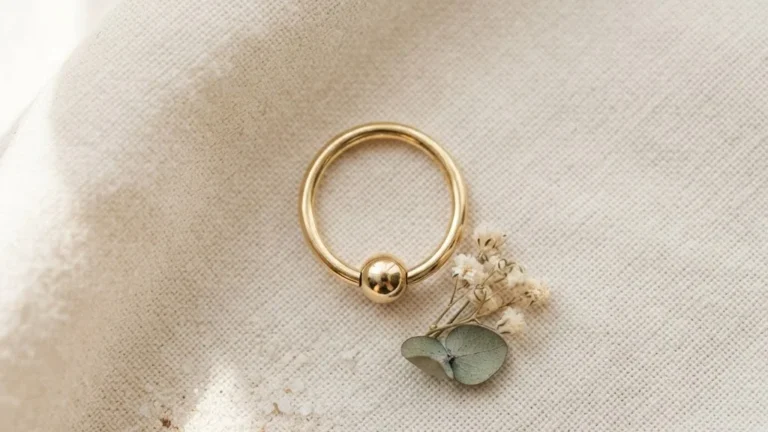
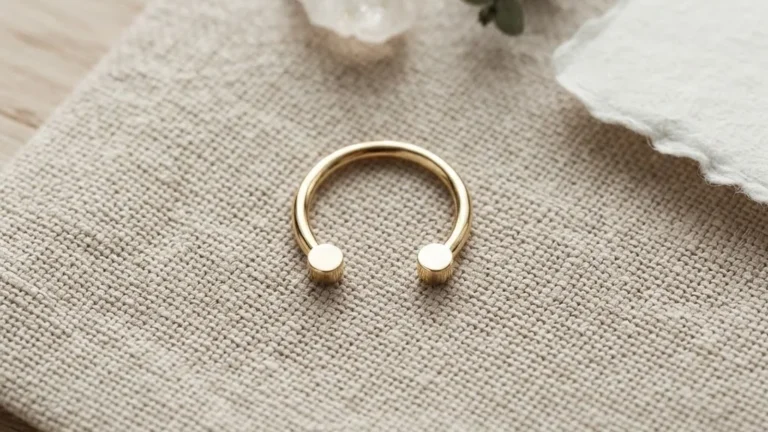
Implant-grade titanium is the fix most piercers reach for. The Association of Professional Piercers (APP) recommends ASTM F136 titanium, the Ti-6Al-4V ELI alloy used in surgical implants, as a safe material for fresh and healing piercings. It is nickel-free and hypoallergenic, and its smooth, non-porous surface gives sebum and bacteria far less to cling to. It is also about 45 % lighter than steel and holds up to autoclave sterilization at 134 degrees C, so a shop can clean it properly between uses.
If your piercing has always smelled worse than it should, and especially if the skin around it stays pink and touchy, the jewelry is a prime suspect. Downgrading to a random fashion nose ring is a common way to reintroduce odor and irritation. When you switch, do it on a healed piercing, buy from a piercer or a supplier that states the ASTM F136 standard, and keep the old piece out of the healing hole. Better metal will not replace cleaning, but it removes a hidden cause that scrubbing cannot fix.
How to clean a smelly nose piercing the right way
Cleaning is simple, and doing less of it correctly beats doing a lot of it wrong. The APP aftercare standard is sterile saline, which is a 0.9 % sodium chloride solution. You can buy a pre-made sterile saline spray, or mix your own by dissolving about 9 g of non-iodized salt in 1000 ml of distilled water. If you want a full walkthrough of ratios and how to store it, see our guide to a sterile saline solution for a nose piercing before you start.
Clean the piercing 2 times a day, morning and night, and no more than that. Overdoing it dries and inflames the skin, which backfires and makes odor worse. Follow the same order each time so nothing gets missed.
- Wash your hands with plain soap and water before you touch the piercing.
- Soak a clean gauze pad or cotton round in sterile saline and hold it against the piercing for about 3 to 5 min so any crust softens.
- Gently wipe away loosened buildup from both sides of the jewelry. Do not force, pick, or dig at it.
- Rinse the area with a little clean water if you used a saltier homemade mix, then pat dry with fresh gauze.
- Leave the jewelry alone. Do not twist or spin it, since that only drags bacteria into the channel.
A few things to skip entirely: alcohol, hydrogen peroxide, tea tree oil, iodine, and heavily fragranced soaps. They feel like they are working, but they strip and irritate the skin, slow healing, and often increase the very discharge that smells. If the jewelry itself is grimy on a fully healed piercing, you can take it out, wash it with mild soap and warm water, dry it, and put it back. On a healing piercing, leave the jewelry in and just clean around it.
Cause and fix at a glance
| What is causing the smell | What to do about it |
|---|---|
| Trapped sebum and dead skin (“piercing funk”) | Sterile saline soak 2 times a day, then pat dry |
| Crusties drying on the jewelry | Soften with a 3 to 5 min saline compress, then wipe, never pick |
| Nickel or low-grade metal jewelry | Switch a healed piercing to ASTM F136 implant-grade titanium |
| Over-cleaning or harsh products | Cut back to twice daily saline; drop alcohol and peroxide |
| Sweat, makeup, and hair product buildup | Rinse after workouts; keep products off the piercing |
| Odor plus pus, heat, throbbing pain, or fever | Leave jewelry in and see a doctor; this may be infection |
Healing time and what counts as normal
A nostril piercing is not a quick heal, and a faint smell during that window is common because the channel is still shedding cells and producing discharge. Most nostril piercings take 4 to 6 months to heal, and some need 6 to 12 months depending on your skin, the placement, and how well you protect it. During that time you may notice occasional crust, a little odor after a sweaty day, and skin that is more reactive than usual. Steady, gentle care carries you through it.
Different nose piercings run on different clocks, which trips a lot of people up. A septum, for example, sits in thinner tissue and follows its own timeline. If you also have or are considering one, our breakdown of how long a septum piercing takes to heal lays out what to expect so you do not mistake normal slow healing for a problem. The general rule holds across placements: judge healing by how the skin behaves, not by the calendar alone.
Patience pays here. The urge to change jewelry early, poke at crusties, or clean five times a day almost always sets healing back and keeps the smell around longer. Treat the full healing window as the real timeline, keep your routine boring and consistent, and let the tissue settle. Once a piercing is genuinely healed, buildup slows down, odor becomes rare, and a quick saline rinse now and then is usually all it takes to stay fresh.
Mistakes that make the smell worse
The biggest one is removing the jewelry the moment something feels off, especially if you suspect infection. Taking the ring out can let the surface of the hole close over while germs are still inside, which traps them and can turn a minor problem into an abscess. Keep the jewelry in place so the area can drain and be treated, and let a professional or a doctor decide whether it should come out. This single habit prevents a lot of avoidable trouble.
Over-cleaning is the next trap. It feels responsible, but scrubbing several times a day, twisting the jewelry, or reaching for strong antiseptics strips the skin’s natural protection. Irritated skin weeps more fluid, and more fluid means more to smell. Harsh products like peroxide and alcohol are the usual offenders. Fragranced soaps and thick ointments cause similar problems by sealing in moisture and gunk. Boring saline, twice a day, wins because it cleans without punishing the tissue.
Smaller habits add up too. Sleeping face-down on the piercing presses buildup into the channel and can snag the jewelry. Piling on makeup, sunscreen, or hair product right over the site feeds bacteria. Touching the piercing with unwashed hands transfers germs directly. None of these are dramatic on their own, but stacked together across a long healing window, they keep a piercing damp, fed, and funky. Clean hands, a clean pillowcase, and product-free skin around the hole quietly solve most lingering odor.
Everyday habits that keep the smell from coming back
Once you understand that odor is a buildup problem, prevention gets easy. Rinse your face and pat the piercing dry after any sweaty activity, since salt and moisture left on the skin feed bacteria fast. Change your pillowcase often, because it collects oil, product, and dead skin that press right back into the piercing all night. Keep makeup, sunscreen, and hair spray off the immediate area, and if some drifts on, clean it away with saline the same day rather than letting it sit.
Hydration and general skin care matter more than people expect. Very oily skin produces more sebum, so there is simply more raw material to build up around the jewelry. That does not mean you should degrease your face aggressively, which triggers even more oil. A gentle, fragrance-free cleanser for the rest of your face, kept away from the piercing itself, keeps overall oil in check. If you use facial oils or heavy moisturizers, apply them carefully and steer clear of the piercing so they do not pool in the channel.
Think about what touches the piercing during the day. Phone screens rest against the side of your face and carry surprising amounts of grime, so wipe your phone down now and then. Scarves, hats, and glasses arms can drag across the site and transfer oil. None of this requires obsessing, and the goal is not a sterile bubble. It is just steady awareness that a nose piercing is a small opening that rewards clean contact and punishes neglect with that familiar funk.
A simple kit that makes cleaning painless
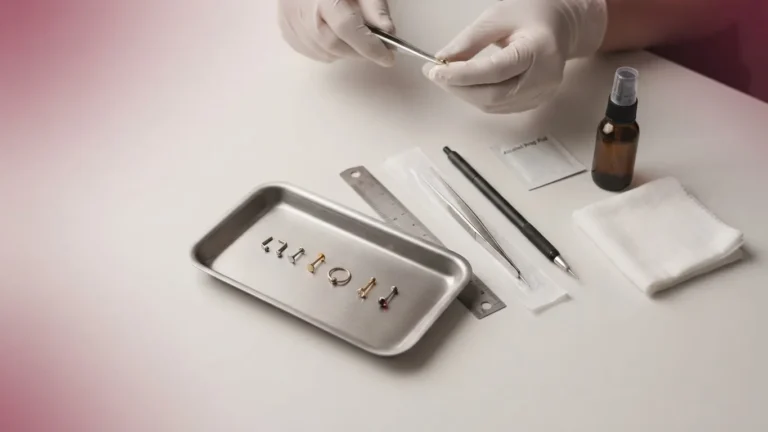
Half the reason people skip cleaning is that it feels like a chore. Set up a small, dedicated kit and the twice-daily habit sticks. You do not need much, and cheaper is often better here because fancy antiseptics do more harm than good on a piercing. Keep everything in one spot near the sink so you never have an excuse to skip a rinse. The whole routine should take under five minutes, twice a day, and most of that is the soak doing its quiet work.
- Sterile saline spray, or the ingredients for a 0.9 % homemade mix: 9 g non-iodized salt in 1000 ml distilled water.
- A small stack of sterile gauze pads or lint-free cotton rounds for soaking and drying.
- Plain, fragrance-free hand soap for washing your hands first.
- A clean, dry towel or fresh gauze reserved only for the piercing.
- A spare ASTM F136 titanium piece, kept clean, for once the piercing is fully healed.
Notice what is not on the list: alcohol, hydrogen peroxide, tea tree oil, iodine, cotton swabs that shed fibers, and thick ointments. Those either dry the skin, snag the piercing, or seal in the exact buildup you are trying to remove. Keeping the kit deliberately minimal protects you from the temptation to reach for something harsh on a bad day. Simple saline, clean hands, and a gentle pat dry beat any expensive product, and they carry a healing nose piercing through its full timeline without the funk taking hold.
What to do when a healed piercing still smells
Sometimes a piercing is fully healed, your routine is solid, and it still develops a faint odor if you skip a rinse. That is normal and not a sign of failure. A healed channel is lined with skin that keeps shedding cells and making a little oil, and the jewelry still blocks airflow. The difference is that a healed piercing recovers quickly. A single thorough saline soak, a wipe of the jewelry, and a dry usually reset it, where a healing piercing needs the full twice-daily rhythm.
If a healed piercing smells strongly no matter how consistently you clean it, look hard at the jewelry again. Plated pieces can wear through to a cheaper base metal over time, exposing a rougher, more reactive surface that traps odor and irritates skin. Fully removing the piece, washing it with mild soap and warm water, drying it, and inspecting it for scratches or dullness often reveals the problem. If the finish is worn or you cannot confirm the material, replacing it with a fresh ASTM F136 titanium piece is the reliable fix.
Persistent odor paired with any color change, discomfort, or discharge is a different story and deserves a professional eye. A reputable piercer can check the fit, the material, and the placement, and can tell you whether what you are dealing with is buildup, irritation, or the start of a problem. There is no shame in asking. Piercers see funk every day, and a five-minute check is far cheaper than months of guessing while the smell hangs around.
Frequently asked questions
Does a smell always mean my nose piercing is infected?
No. A smell on its own, with skin that looks and feels normal, is almost always trapped sebum, dead skin, and bacteria rather than infection. It tells you the area needs a better cleaning routine, not a doctor. Infection is signaled by extra symptoms layered on top of odor: spreading redness, heat, worsening swelling, throbbing pain, thick green or yellow pus, or fever. If you see that combination, keep the jewelry in and get it checked. Odor alone, though, is a cleaning task, not an emergency.
Should I take the jewelry out to clean or stop the smell?
Not on a healing piercing. Removing jewelry from a piercing that has not fully healed can let the hole close and trap bacteria inside, and it is especially risky if you suspect infection. Clean around the jewelry instead with sterile saline 2 times a day. Once a piercing is fully healed, usually after several months, you can briefly take the piece out, wash it with mild soap and warm water, dry it, and reinsert it. Until then, leave it in and let the saline do the work.
Will switching to titanium actually stop the odor?
It often helps a lot, though it is not magic. Nickel and low-grade metals have rougher, more reactive surfaces that trap oil and can irritate skin, which feeds odor. Implant-grade ASTM F136 titanium, which the APP recommends, is nickel-free and non-porous, so buildup has less to cling to and sensitive skin calms down. Switch only on a healed piercing and buy from a source that names the ASTM F136 standard. Pair better metal with a twice-daily saline routine and most stubborn odor fades within a couple of weeks.
How long will my nose piercing smell before it settles down?
Expect some odor on and off across the whole healing window, which is 4 to 6 months for most nostril piercings and 6 to 12 months for slower healers. The channel is actively shedding cells and making discharge that entire time, so a faint smell after a busy or sweaty day is normal, not a warning. What should improve steadily is how easily a rinse clears it. If odor is getting stronger rather than fading, or new symptoms appear, revisit your jewelry and cleaning routine before assuming the worst.